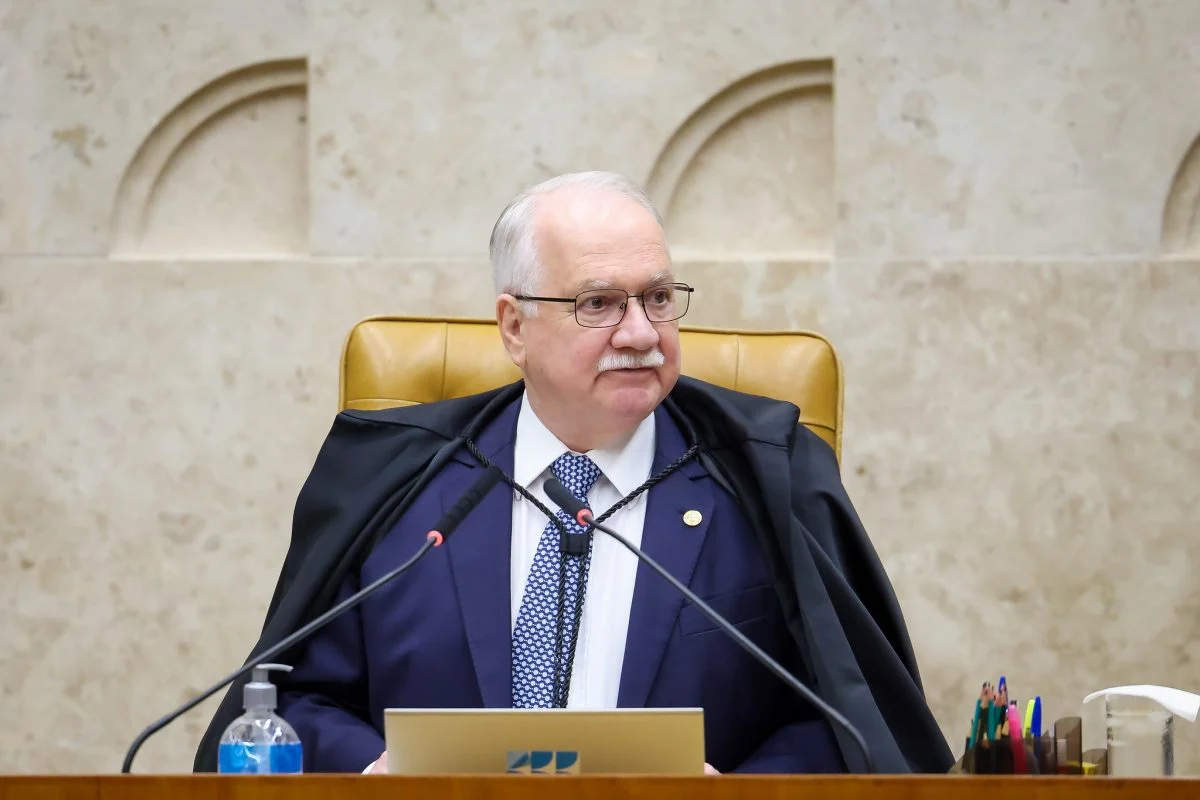
In Angola, Fachin speaks of judicial independence: "Deciding without fear"
The president of the Constitutional Court of Angola, Laurinda Prazeres, students and law teachers participated in the class, as well as authorities
- Left1
- Center1
no rewrites detected — all voices distinct
Summary
The president of the Constitutional Court of Angola, Laurinda Prazeres, students and law teachers participated in the class, as well as invited authorities. According to the president of the Supreme Court, constitutional courts have become central pieces of democratic architecture not because judges are “superior to the people” or “owners of the Constitution”, but because “historical experience has shown that unlimited power tends to exceed its own limits”. That's the essence of judicial independence.
Cross-referenced from 2 sources.
Factual coreconfirmed by several independent voices
The president of the Constitutional Court of Angola, Laurinda Prazeres, students and law teachers participated in the class, as well as invited authorities.
reliability moderate2/2 sources
Reported detailssecondary facts, each attributed to its source
According to the president of the Supreme Court, constitutional courts have become central pieces of democratic architecture not because judges are “superior to the people” or “owners of the Constitution”, but because “historical experience has shown that unlimited power tends to exceed its own limits”.
according to CartaCapitalThat's the essence of judicial independence.
according to CartaCapital
Disputedincompatible versions — to verify
No factual contradiction detected between sources.
Framing by sidesame fact, different words — loaded terms highlighted
No notable framing divergence.
Blind spotwhat one side keeps silent
No blind spot detected: every side covers the same facts.
Sources2 sources cross-checked
Left1
Center1
