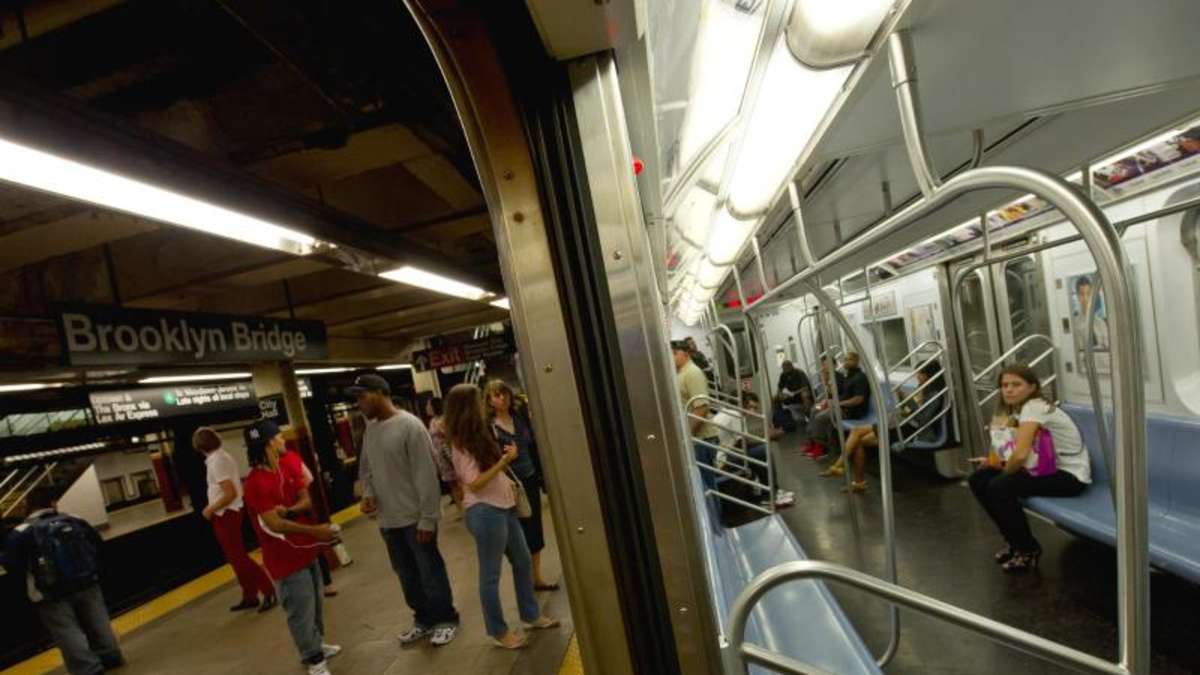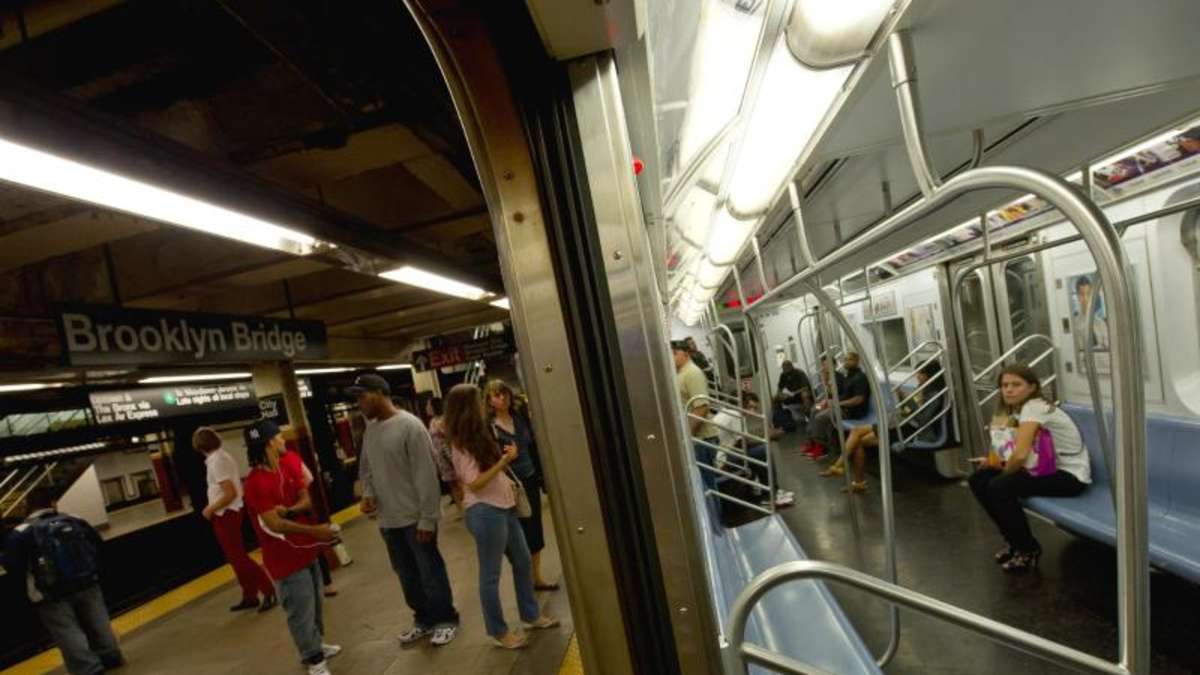
35 degrees on the platform: New York wants to convert subway heat into heating energy
Data shows that some stations are up to 11.1 degrees Celsius warmer than outdoor air during heatwaves
- Center-left1
- Center-right1
1 agency rewrite / co-publication detected

Summary
Data shows that some stations are up to 11.1 degrees Celsius warmer than outdoor air during heatwaves. 35 degrees on the platform: New York wants to convert subway heat into heating energy. The MTA described the thermal study as closely linked to a station renovation program that includes repairing tiles and mosaics, fixing leaks, upgrading lighting, and further maintenance at the 113-year-old site, the New York Post reported.
Furthermore, Radiation Cooling The drill holes are to be drilled at a depth of 500 to 600 feet (152 to 183 meters). Temperatures above 30 degrees Celsius The Chambers Street complex was selected because it is one of the hottest stations on the network. Average temperatures on the platforms peaked at 35.6 degrees Celsius last summer — a trend urban officials associate with general warming, the New York Post explained.
In addition, New York – New York City and the Metropolitan Transportation Authority (MTA) are launching a feasibility study with a budget of $800,000. Beyond passenger comfort, the project is presented as an approach to reduce energy consumption in urban buildings near stations by exploiting a currently untapped resource.
Cross-referenced from 2 sources.
Factual coreconfirmed by several independent voices
Data shows that some stations are up to 11.1 degrees Celsius warmer than outdoor air during heatwaves.
reliability low1/2 sources35 degrees on the platform: New York wants to convert subway heat into heating energy.
reliability low1/2 sourcesThe MTA described the thermal study as closely linked to a station renovation program that includes repairing tiles and mosaics, fixing leaks, upgrading lighting, and further maintenance at the 113-year-old site, the New York Post reported.
reliability low1/2 sourcesRadiation Cooling The drill holes are to be drilled at a depth of 500 to 600 feet (152 to 183 meters).
reliability low1/2 sourcesTemperatures above 30 degrees Celsius The Chambers Street complex was selected because it is one of the hottest stations on the network.
reliability low1/2 sourcesAverage temperatures on the platforms peaked at 35.6 degrees Celsius last summer — a trend urban officials associate with general warming, the New York Post explained.
reliability low1/2 sourcesNew York – New York City and the Metropolitan Transportation Authority (MTA) are launching a feasibility study with a budget of $800,000.
reliability low1/2 sourcesBeyond passenger comfort, the project is presented as an approach to reduce energy consumption in urban buildings near stations by exploiting a currently untapped resource.
reliability low1/2 sources
Disputedincompatible versions — to verify
No factual contradiction detected between sources.
Framing by sidesame fact, different words — loaded terms highlighted
No notable framing divergence.
Blind spotwhat one side keeps silent
No blind spot detected: every side covers the same facts.
Sources2 sources cross-checked
Center-left1
Center-right1