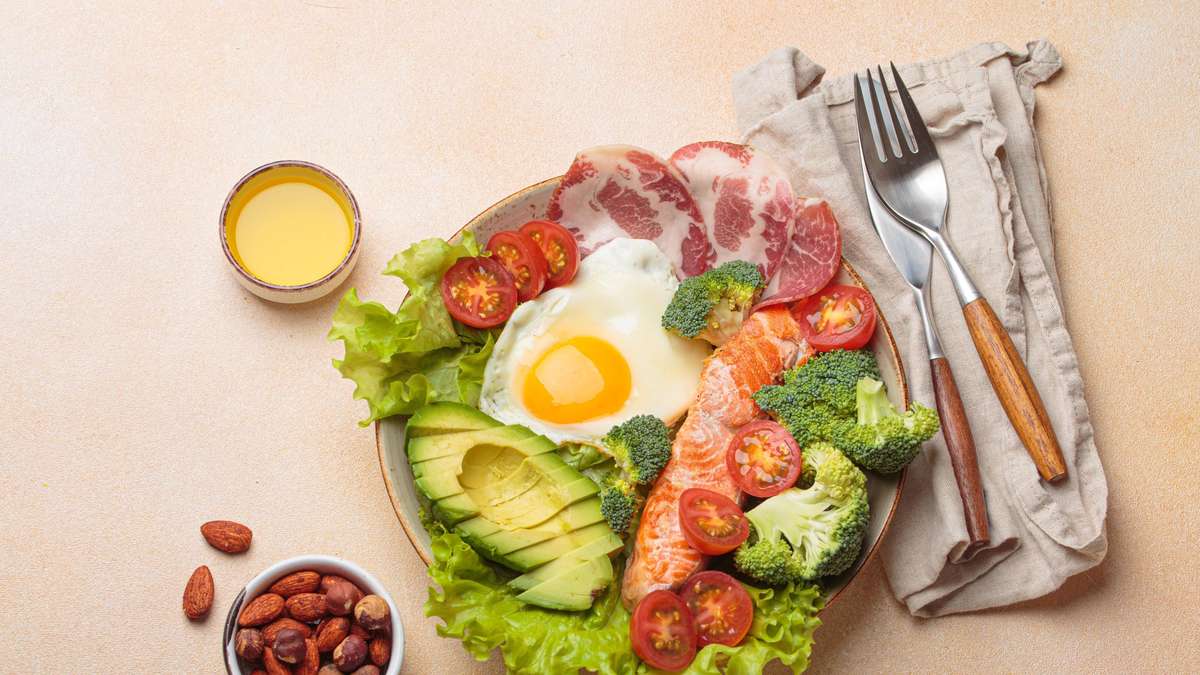
MIT researchers reveal what the keto diet really does to the gut
MIT researchers show what the keto diet really does to the gut
- Center-left1
- Center-right1
1 agency rewrite / co-publication detected
Summary
MIT researchers show what the keto diet really does to the gut. Originally, the ketogenic diet was developed in the 1920s to treat epilepsy and is now clinically recognized for certain forms of the disease. The findings challenge an influential 2022 Nature study that identified BHB as a protective factor against colon cancer. “These molecules are essentially metabolic bystanders,” says Yilmaz. “Tumour formation is completely driven by how stem cells process the high influx of dietary fat.” In practice, this means that ketone supplements or drinks should not replicate the risks or benefits of the actual keto diet.
Furthermore, The ketogenic diet is a diet that greatly reduces carbohydrate intake (usually below 50 grams per day), while fat makes up the majority of calories. The aim was to better understand whether the protective effects of the keto diet, described in previous studies for the colon, also apply to other sections of the digestive tract. Ketone bodies have no effect on cancer according to the study Contrary to the previous assumption, it is not the ketone bodies such as beta-hydroxybutyrate (BHB) that drive tumor growth.
In addition, For study leader Yilmaz, this is an important warning against overly simple generalizations: Ketogenic diets have different effects on different tissues, even within the gastrointestinal tract.
Cross-referenced from 2 sources.
Factual coreconfirmed by several independent voices
MIT researchers show what the keto diet really does to the gut.
reliability low1/2 sourcesOriginally, the ketogenic diet was developed in the 1920s to treat epilepsy and is now clinically recognized for certain forms of the disease.
reliability low1/2 sourcesThe findings challenge an influential 2022 Nature study that identified BHB as a protective factor against colon cancer. “These molecules are essentially metabolic bystanders,” says Yilmaz. “Tumour formation is completely driven by how stem cells process the high influx of dietary fat.” In practice, this means that ketone supplements or drinks should not replicate the risks or benefits of the actual keto diet.
reliability low1/2 sourcesThe ketogenic diet is a diet that greatly reduces carbohydrate intake (usually below 50 grams per day), while fat makes up the majority of calories.
reliability low1/2 sourcesThe aim was to better understand whether the protective effects of the keto diet, described in previous studies for the colon, also apply to other sections of the digestive tract.
reliability low1/2 sourcesKetone bodies have no effect on cancer according to the study Contrary to the previous assumption, it is not the ketone bodies such as beta-hydroxybutyrate (BHB) that drive tumor growth.
reliability low1/2 sourcesFor study leader Yilmaz, this is an important warning against overly simple generalizations: Ketogenic diets have different effects on different tissues, even within the gastrointestinal tract.
reliability low1/2 sources
Disputedincompatible versions — to verify
No factual contradiction detected between sources.
Framing by sidesame fact, different words — loaded terms highlighted
No notable framing divergence.
Blind spotwhat one side keeps silent
No blind spot detected: every side covers the same facts.
Sources2 sources cross-checked
Center-left1
Center-right1
