Work and AI: AI puts pressure on wages and makes career entry more difficult
And the start of working life is becoming increasingly difficult, according to experts
- Center-left2
- Center-right1
no rewrites detected — all voices distinct

Summary
And the start of working life is becoming increasingly difficult, according to experts. With a university degree and little experience, 50.8 percent of companies are facing a fall in wages – but also 16.3 percent. If the expectations of the companies surveyed by Ifo are met, AI will depress wages. (symbolic image) Photo: Matthias Bein/dpa Munich/Geneva.
Furthermore, 37.5 percent of companies still expect wages to fall, but also 26 percent to rise. “Artificial intelligence will not affect wages equally for all employees from the point of view of many companies,” says Ifo researcher Ruffert. “They are most likely to expect lower wages for less experienced workers.” There are also clear differences depending on the industry. “Overall, we see that significantly more companies expect negative effects than positive ones,” Ifo researcher Anna Ruffert summarizes the results of a survey in which more than 3,000 companies in Germany that already use AI participated. In the trade it is 47.9 and 41.3 percent, in the manufacturing sector 46.5 and 38.9 percent.
In addition, For employees with short professional experience and without a university degree, this is 53.3 percent, for employees with long experience still 44.2. Employees with little experience are the hardest hit, so employees with less than five years of professional experience expect about half of the companies such a development in the next five years.
Cross-referenced from 3 sources.
Factual coreconfirmed by several independent voices
And the start of working life is becoming increasingly difficult, according to experts
reliability moderate2/2 sourcesWith a university degree and little experience, 50.8 percent of companies are facing a fall in wages – but also 16.3 percent.
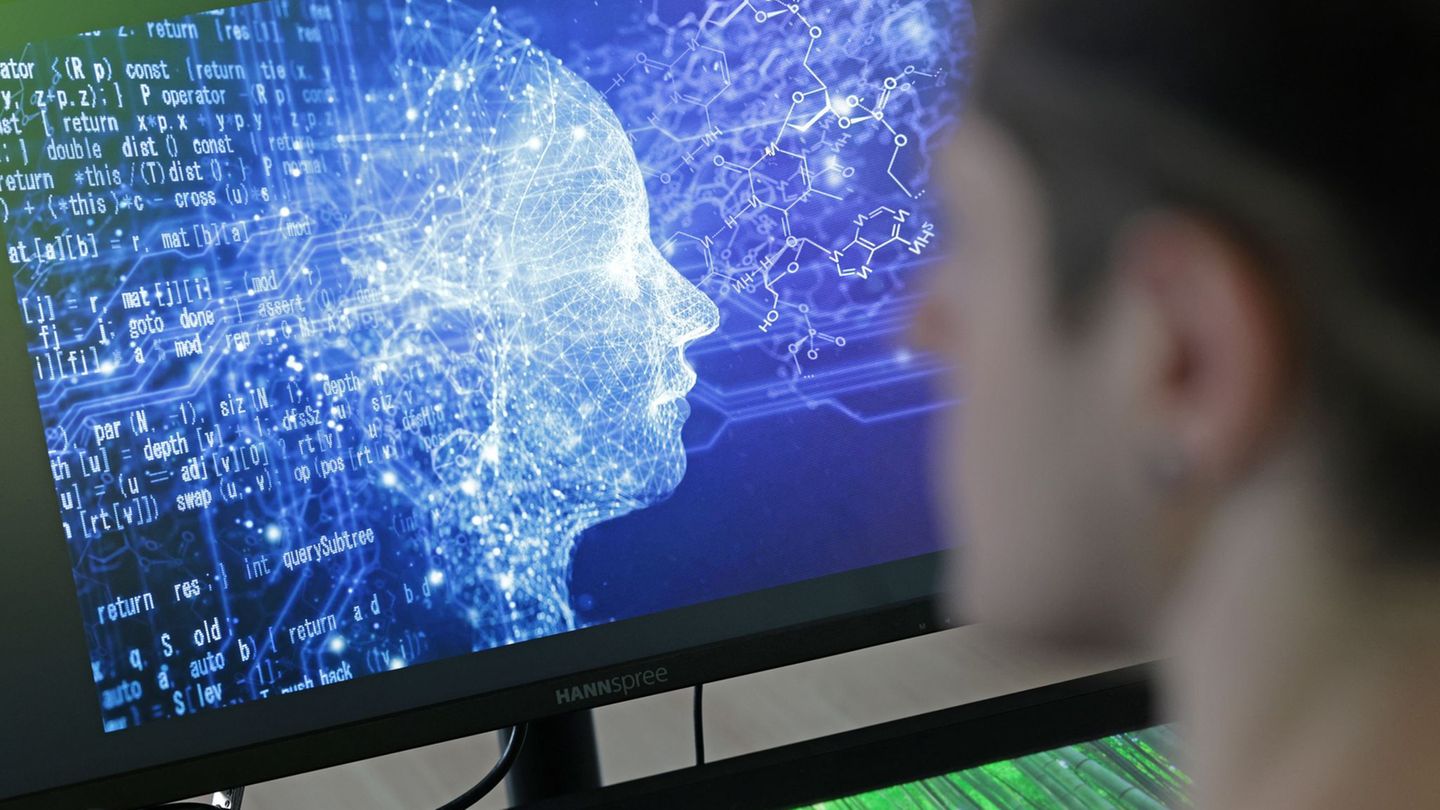
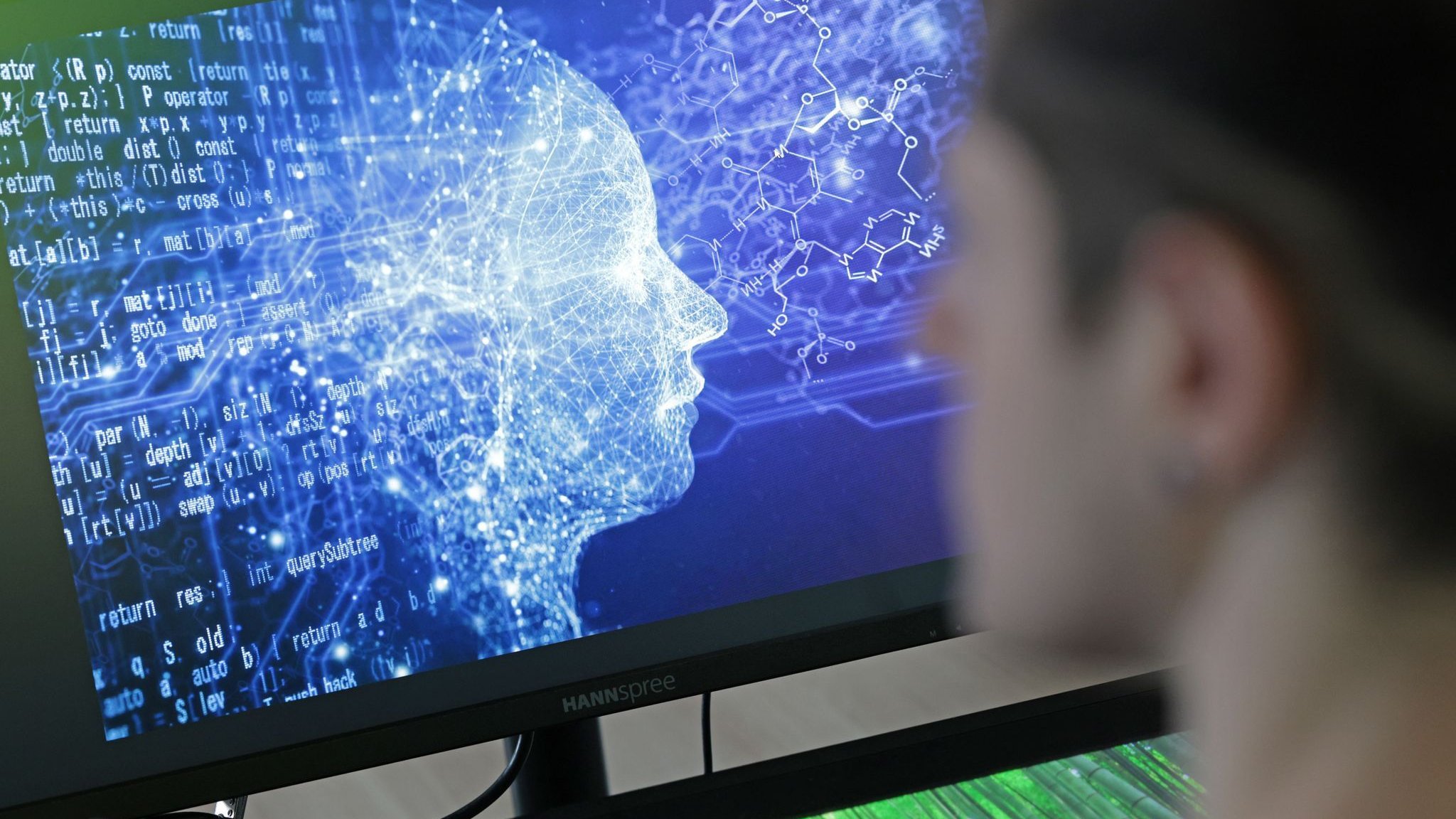
reliability moderate2/2 sourcesIf the expectations of the companies surveyed by Ifo are met, AI will depress wages. (symbolic image) Photo: Matthias Bein/dpa Munich/Geneva.
reliability moderate2/2 sources37.5 percent of companies still expect wages to fall, but also 26 percent to rise. “Artificial intelligence will not affect wages equally for all employees from the point of view of many companies,” says Ifo researcher Ruffert. “They are most likely to expect lower wages for less experienced workers.” There are also clear differences depending on the industry.
reliability moderate2/2 sources“Overall, we see that significantly more companies expect negative effects than positive ones,” Ifo researcher Anna Ruffert summarizes the results of a survey in which more than 3,000 companies in Germany that already use AI participated.
reliability moderate2/2 sourcesIn the trade it is 47.9 and 41.3 percent, in the manufacturing sector 46.5 and 38.9 percent.
reliability moderate2/2 sourcesExperienced academics are still most likely to have opportunities The outlook for employees with at least five years of professional experience is also overwhelmingly poor, although not quite as negative: Without a university degree, 40.4 percent of companies expect wages to fall and only 9.7 percent to rise.
reliability moderate2/2 sourcesFor employees with short professional experience and without a university degree, this is 53.3 percent, for employees with long experience still 44.2.
reliability moderate2/2 sources
Reported detailssecondary facts, each attributed to its source
Employees with little experience are the hardest hit, so employees with less than five years of professional experience expect about half of the companies such a development in the next five years.
according to Handelsblatt
Disputedincompatible versions — to verify
No factual contradiction detected between sources.
Framing by sidesame fact, different words — loaded terms highlighted
No notable framing divergence.
Blind spotwhat one side keeps silent
No blind spot detected: every side covers the same facts.
Sources3 sources cross-checked
Center-right1