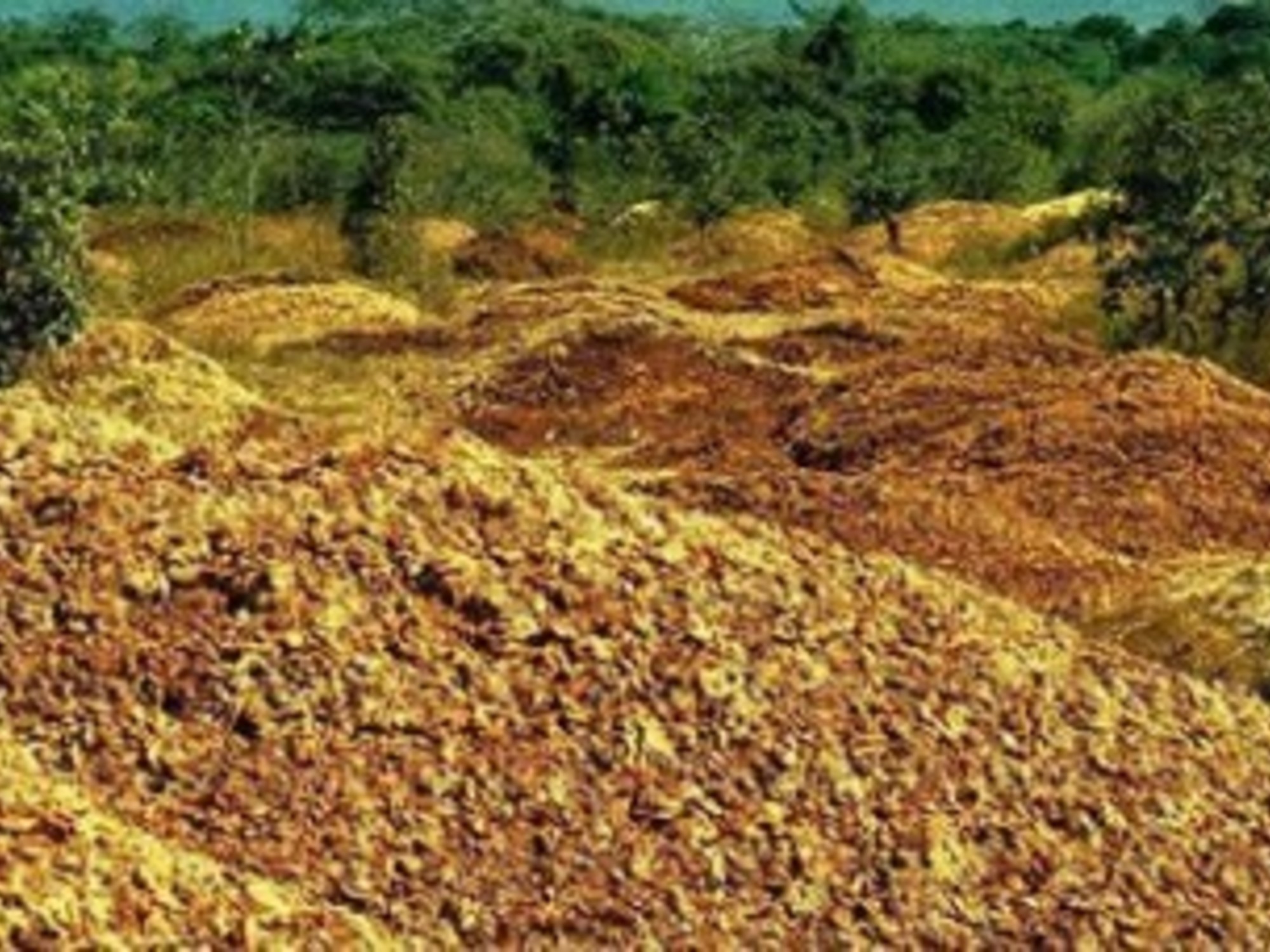
In 1997, they covered a moor of Costa Rica with 12,000 tons of orange shells: 16 years later they found a prosperous forest
- Center1
- Center-right1
no rewrites detected — all voices distinct
Summary
In 1997, they covered a moor of Costa Rica with 12,000 tons of orange shells: 16 years later they found a prosperous forest. Where before there was dry grass and impoverished soil, now there was a dense tropical forest full of vegetation. Thus, for just one year, about 1,000 trucks unloaded about 12,000 tons of waste over three hectares of virtually sterile land.
Furthermore, In this news in 1997, more than 1,000 trucks downloaded about 12,000 tons of shells and orange pulp on a degraded land in the Guanacaste Conservation Area in Costa Rica. When comparing the treated area with areas without shell, richer soils, more woody vegetation and 176% more biomass were found. A case that still surprises science Although the original project was never retaken due to the judicial conflict, the experiment was one of the most striking examples of the potential of organic waste to restore degraded ecosystems.
Cross-referenced from 2 sources.
Factual coreconfirmed by several independent voices
In 1997, they covered a moor of Costa Rica with 12,000 tons of orange shells: 16 years later they found a prosperous forest.
reliability moderate2/2 sourcesWhere before there was dry grass and impoverished soil, now there was a dense tropical forest full of vegetation.
reliability moderate2/2 sources
Reported detailssecondary facts, each attributed to its source
Thus, for just one year, about 1,000 trucks unloaded about 12,000 tons of waste over three hectares of virtually sterile land.
according to ClarínIn this news in 1997, more than 1,000 trucks downloaded about 12,000 tons of shells and orange pulp on a degraded land in the Guanacaste Conservation Area in Costa Rica.
according to El CronistaWhen comparing the treated area with areas without shell, richer soils, more woody vegetation and 176% more biomass were found.
according to ClarínA case that still surprises science Although the original project was never retaken due to the judicial conflict, the experiment was one of the most striking examples of the potential of organic waste to restore degraded ecosystems.
according to El Cronista
Disputedincompatible versions — to verify
No factual contradiction detected between sources.
Framing by sidesame fact, different words — loaded terms highlighted
No notable framing divergence.
Blind spotwhat one side keeps silent
No blind spot detected: every side covers the same facts.
Sources2 sources cross-checked
Center1
Center-right1
